
Oral appliance therapy explained in six clinical steps — from screening questionnaire to follow-up efficacy study.
Board-certified dental sleep medicine providers · AADSM members
From first symptom
to first full night.
Six clinical milestones, each with a clear objective and measurable outcome. No ambiguity. No waiting rooms full of uncertainty.
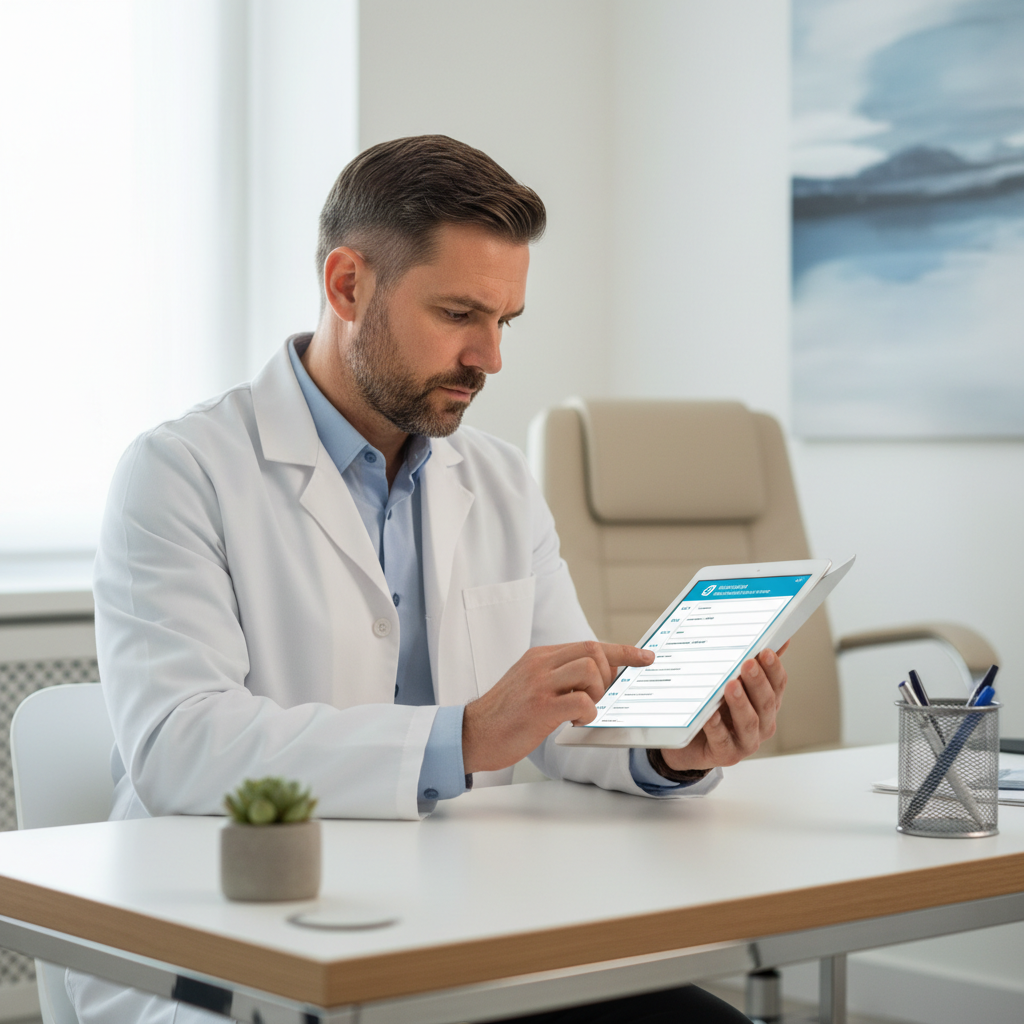
Eight questions that flag the risk before a single test.
The Epworth Sleepiness Scale and STOP-BANG combine to identify patients whose daytime fatigue, snoring history, and neck circumference place them in moderate-to-high risk brackets. You complete this online before your first appointment.
“I filled it out on my phone between meetings. By the time I sat down with the doctor, she already knew what she was dealing with.”
— Marcus T., 54 — CFO, Chicago
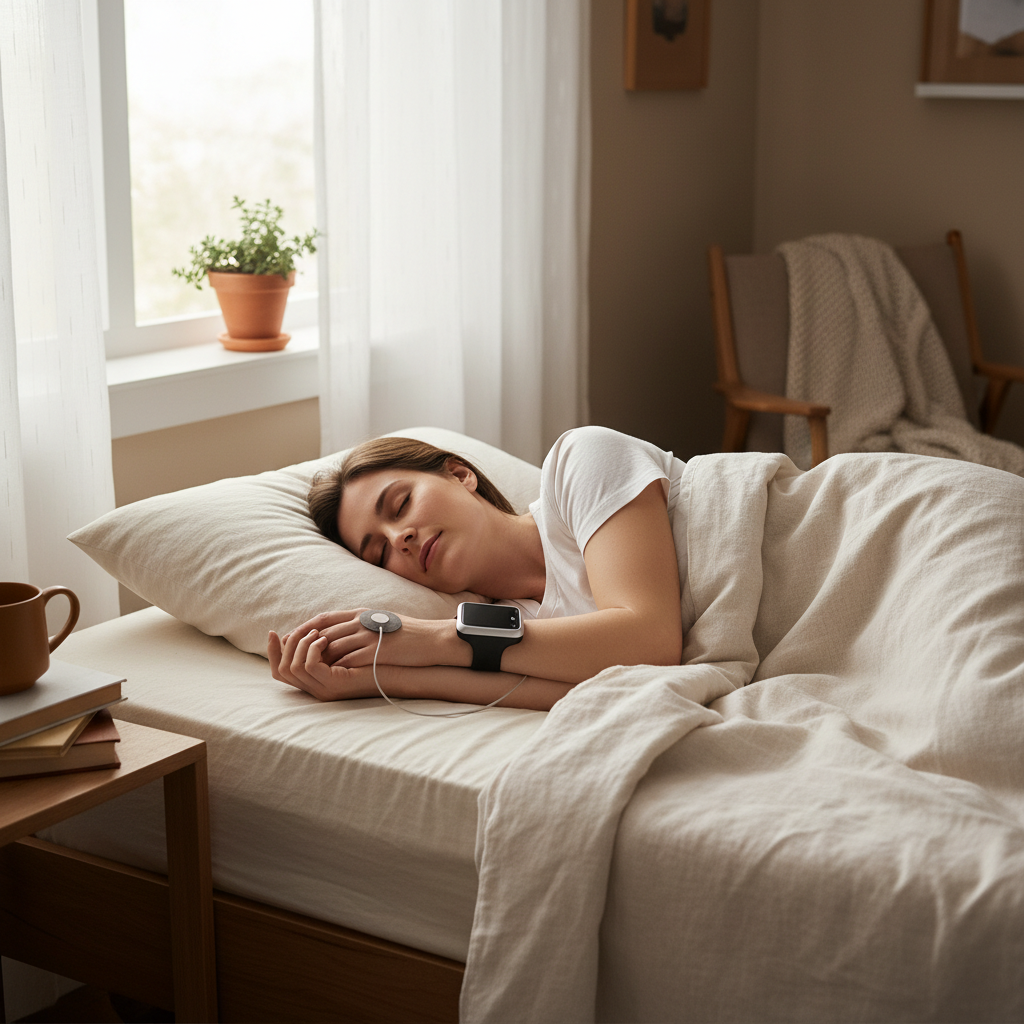
A night in your own bed. No hospital. No wires on your scalp.
A Type III portable monitor records airflow, respiratory effort, pulse oximetry, and snoring. The device ships to your door. You wear it one night, return it, and our sleep physician scores the raw data within 72 hours.
“Three weeks of CPAP and I was sleeping in the guest room. The home test was the first night I'd worn anything to bed that didn't feel like punishment.”
— Derek V., 49 — Owner-Operator, Dallas
Your AHI number, explained in plain language.
Apnea-Hypopnea Index translates raw respiratory events into a clinical severity score. Mild (5–14), moderate (15–29), or severe (≥30) determines device eligibility and sets the titration target. We walk through your data with you — no interpretation left to chance.
“My AHI was 41. Seeing the oxygen dip chart made it real — not just fatigue, but an actual medical problem with an actual solution.”
— Sandra R., 51 — Operations Director, Atlanta

The Complete Oral
Appliance Guide
32 pages covering device types, titration protocols, insurance coding, and what to expect the first 90 days. Written by dental sleep medicine specialists for patients who want to understand their treatment — not just comply with it.
Step 4 of the guide contains the full CPAP vs. MAD vs. surgical intervention comparison — the data most patients never see before making a treatment decision.
CPAP · Mandibular Advancement · Surgery
Eight clinical criteria. One table. The data cells use micro-bars so the eye reads outcomes instantly — no interpretation required.
| Criterion | CPAPContinuous Positive Airway Pressure | Oral ApplianceRecommended Mandibular Advancement Device | SurgeryUPPP / MMA / Inspire |
|---|---|---|---|
Long-Term Compliance % at 12 months | 46–68% | 88–94%Best Patients wear it every night | — One-time intervention |
AHI Reduction % events eliminated | 95–100% When worn | 50–75% | 40–80% |
SpO₂ Improvement Mean mmHg rise | ≥5 mmHg When worn | ≥4 mmHgBest Consistent nightly | 3–5 mmHg |
Partner Satisfaction Reported improvement | 34% Noise, mask, hose | 82%Best | 55% |
Portability Travel readiness | Low Requires power, distilled water | HighBest Fits in a shirt pocket | N/A Permanent |
Reversibility Adjustability | Adjustable | Fully reversibleBest | Irreversible |
Noise Level dB impact on partner | Moderate 35–45 dB motor noise | SilentBest | Silent |
Average Cost (USD) Out-of-pocket estimate | $800–$3,000 Equipment + supplies | $1,500–$2,500 Often covered by medical insurance | $8,000–$30,000 |
Data sourced from peer-reviewed literature including Sutherland et al. (2014), Ramar et al. (2015 AASM/AADSM guidelines), and Vanderveken et al. (2021). Individual outcomes vary by AHI severity, anatomy, and device type.
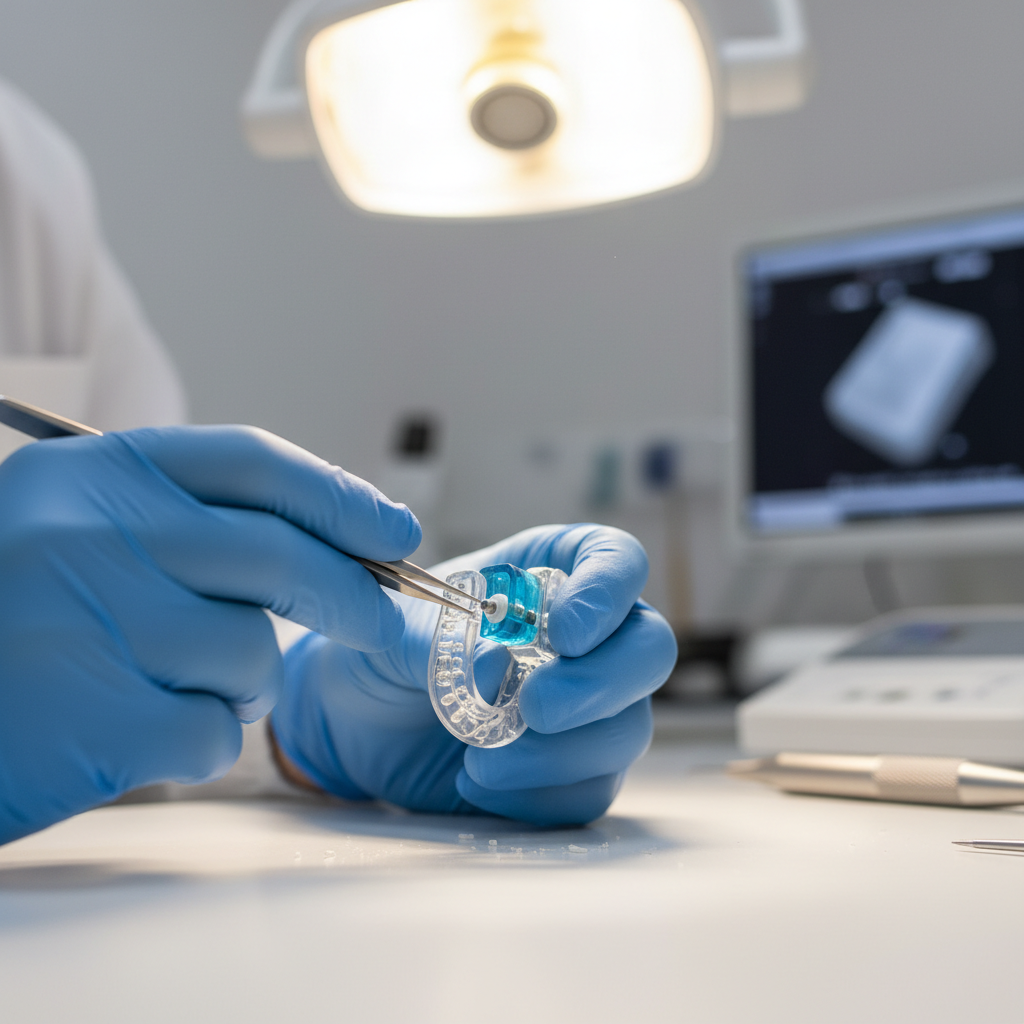
Millimeter by millimeter, until the airway opens.
Mandibular advancement is not a one-size setting. We advance the device 0.25–0.5mm at a time over 8–12 weeks, guided by symptom response and home oximetry. The target: lowest effective protrusion that keeps SpO₂ above 92% throughout the night.
“Week six, I woke up before my alarm. That hadn't happened in four years. My wife moved back into the bedroom.”
— Thomas H., 56 — Regional VP, Seattle

A second sleep test confirms the airway is open.
At optimal titration, a follow-up home sleep test measures residual AHI with the device in place. We target AHI < 5. If the number is not there, we titrate further or consider combination therapy. Your DOT medical certificate or insurance continuation requires documented efficacy — we provide it.
“The DOT examiner looked at my efficacy letter, stamped my certificate, and handed it back. Two years of anxiety, over in thirty seconds.”
— Ray M., 47 — CDL Owner-Operator, Memphis
Three patients.
One solution.
The executive who can't check a bag. The driver one exam from losing his livelihood. The partner who stopped counting the nights.
“I travel 22 weeks a year. The CPAP machine needed its own carry-on bag and a power adapter for every country. The oral appliance fits in my toiletry kit. I sleep in hotel rooms the way I sleep at home now — which is to say, actually sleep.”
— Marcus T., 54, Chicago, IL
“The FMCSA examiner had flagged me. I had 90 days to show treatment compliance or lose my CDL. The oral appliance efficacy letter was the document I handed him. He stamped my card. I was back on the road the same week.”
— Ray M., 47, Memphis, TN
“We had slept in separate rooms for three years. The CPAP kept me awake with its noise. The oral appliance is silent. We've been back in the same bed for seven months. This sounds like a small thing. It isn't.”
— Laura K., 52, Boston, MA
Ready to find out if oral appliance therapy is right for you?
Start with the free screening quiz — five questions, two minutes, and a personalized risk score delivered immediately.